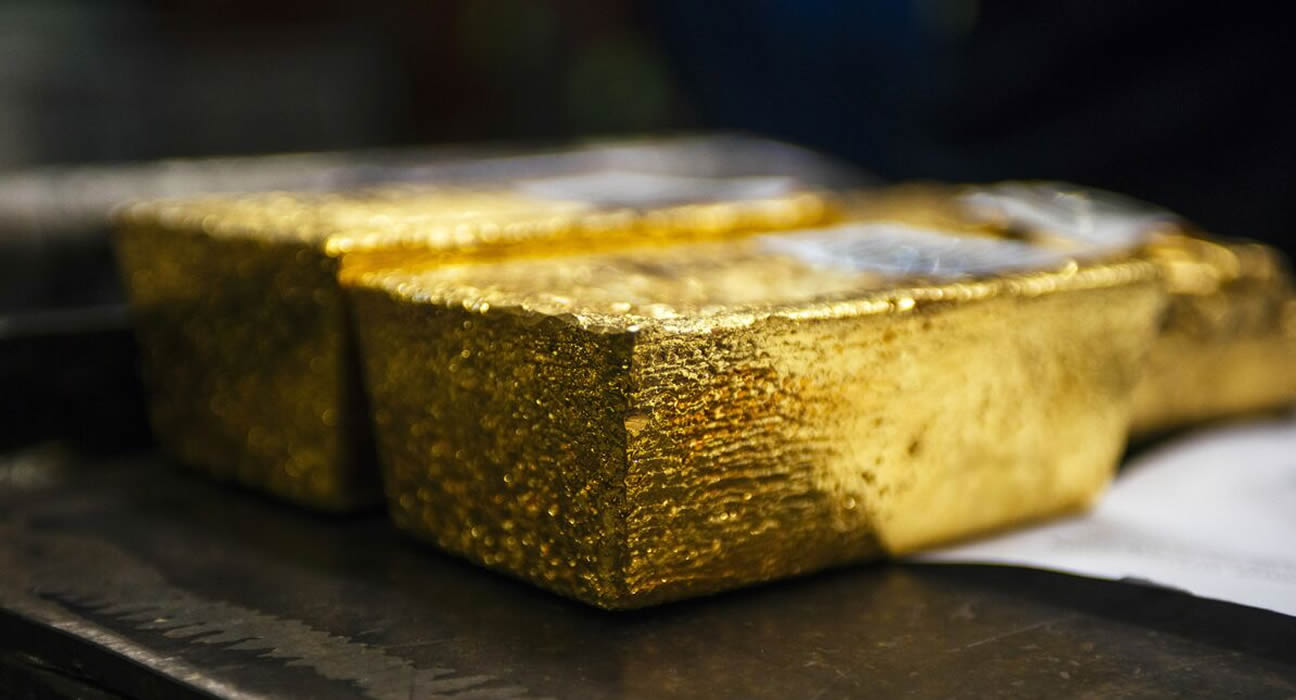








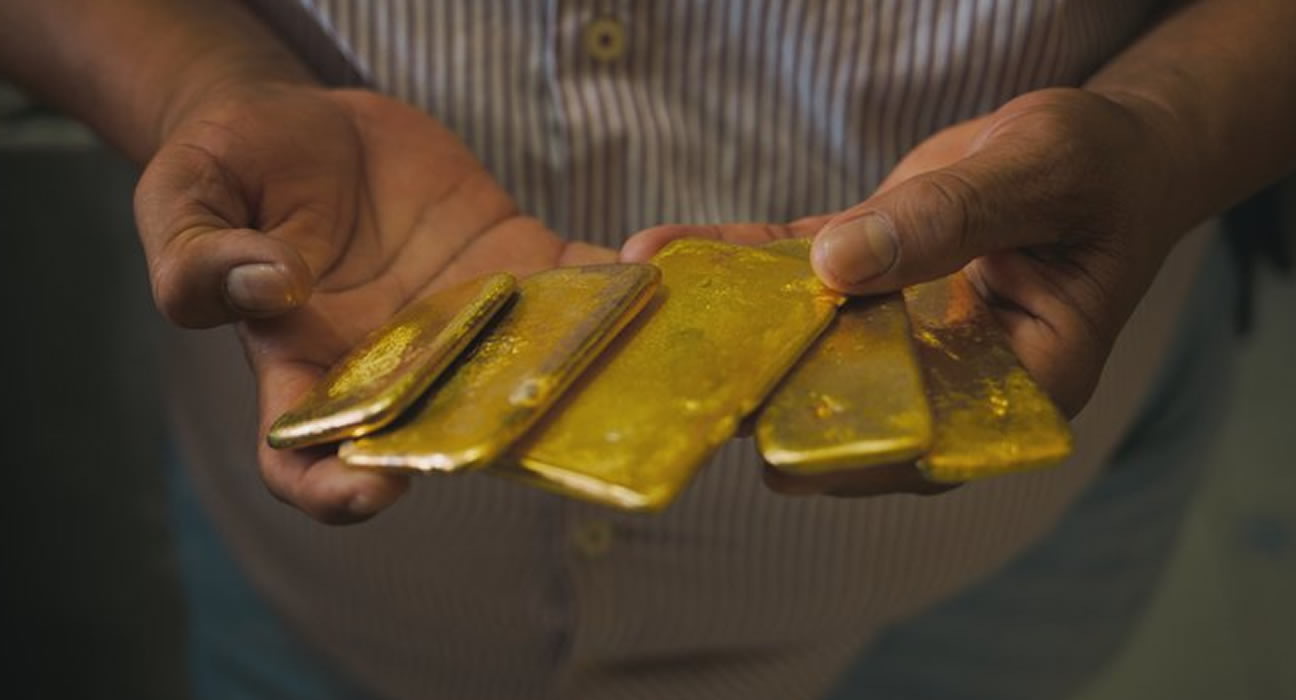
Ghana’s mineral wealth has always been a national assetfor decades yet the country struggled to translate raw extraction into long-term national prosperity. That narrative is beginning to shift as the Minerals Income Investment Fund (MIIF) has posted a record GH¢1.906 billion profit for the 2024 financial year, its best financial performance since inception.The figure represents an increase of more than 300% compared to 2023, when MIIF’s profit was GH¢402 million.
The audited accounts, released mid-2025, reveal a near-unprecedented financial turnaround with total assets under management rose to GH¢11.2 billion, and the free cash position hit GH¢5.6 billiongiving MIIF substantial liquidity for future investments. Crucially, MIIF has maintained a cost-to-income ratio of just 3%, far below global sovereign-fund benchmarks, underscoring disciplined financial management.
From Passive Royalties to Active Investment
Historically, Ghana treated royalties from gold, manganese and other minerals as short-term revenue but MIIF’s strategic shift toward activeinvestment has created new possibilities. Instead of relying solely on gold price cycles, the Fund has diversified into emerging minerals such as lithium and industrial salt, commodities deeply tied to global renewable-energy and manufacturing transitions.This step is not merely diversification, it is a structural repositioning of the country to hold equity, not just royalty rights in future, facing mineral assets.
Also, one of the least discussed but most important factors in MIIF’s rise is governance. A clean audit, strong procurement discipline, improved royalty collection, and transparency have contributed to investor confidence. It signals that Ghana is moving away from the old model where mineral revenue was inconsistently tracked or poorly reinvested.
The MIIF’s surplus cash can be deployed to invest in value-addition projects (processing, refining), rather than raw export, support infrastructure and community-development projects funded by mining revenues and diversify into emerging minerals (e.g. lithium, salt) and non-mineral assets, reducing dependency on gold price fluctuations.
With proper implementation and utilization of the profit, MIIF could become the engine of Ghana’s long-awaited mineral-led industrial revolution that would be responsible for creating jobs, reducing export dependence on raw ore, and building long-term national wealth.
Source: Abraham Nakpana