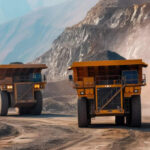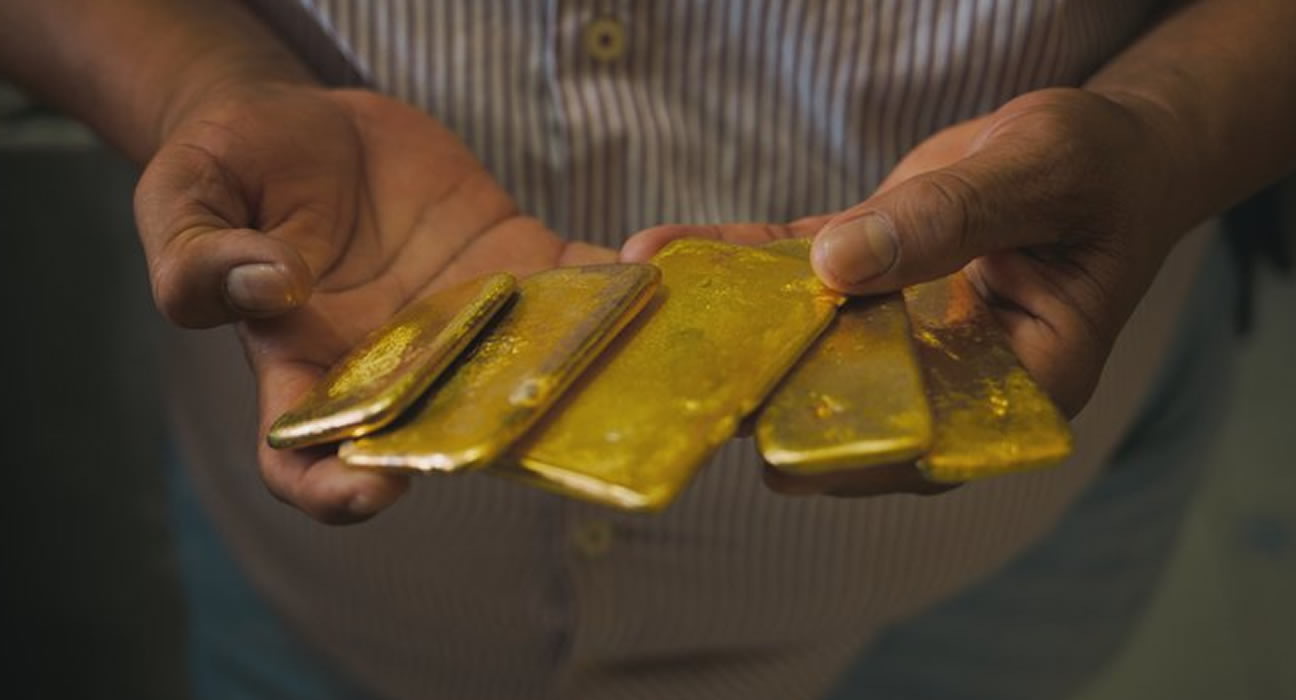








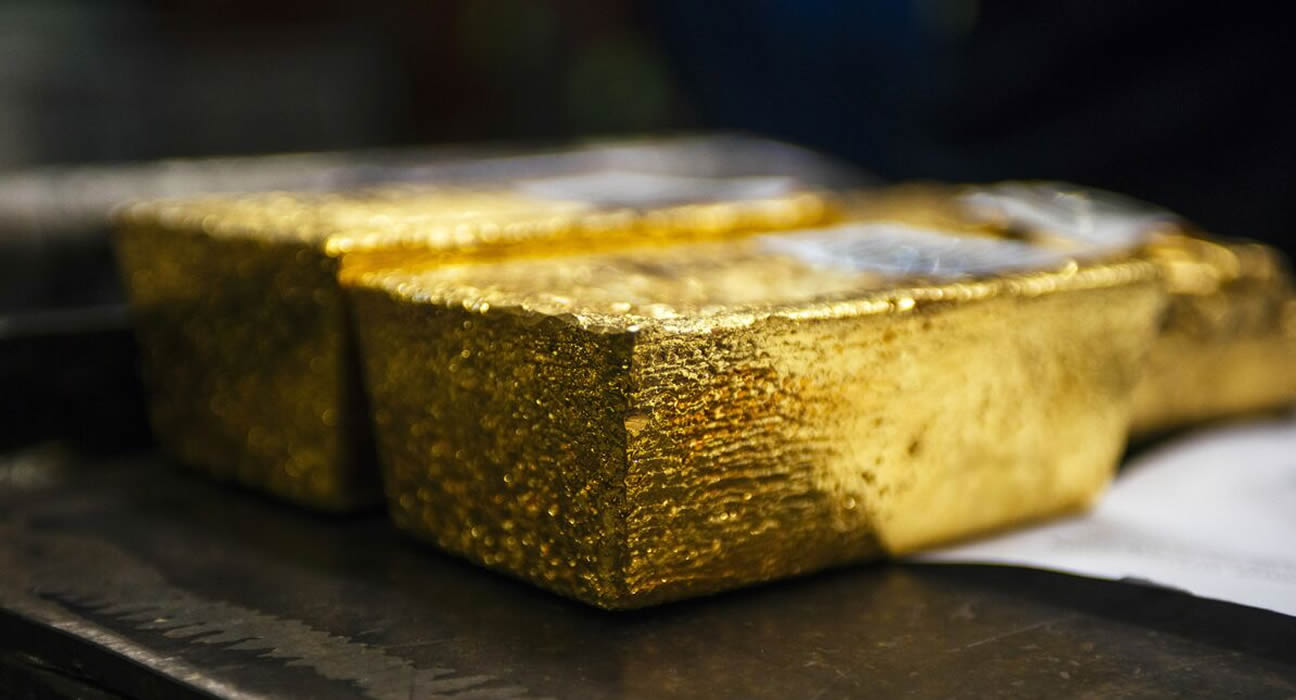
Ghana’s mining sector is experiencing a notable shift as the country records significant increases in mineral revenues despite a drop in production across several subsectors. Recent revenue figures show that manganese royalties rose by more than 170 percent, climbing from US$4.7 million in 2024 to nearly US$12.7 million in 2025. Similar positive growth was observed in sand mining and other industrial minerals, reflecting a broader improvement in regulatory efficiency.
This development is largely the result of stronger oversight and more rigorous monitoring mechanisms put in place by the Minerals Commission and the Minerals Income Investment Fund (MIIF). The integration of digital production-tracking systems and enhanced auditing processes has helped seal revenue leakages that previously undermined the sector’s fiscal potential. Mining companies are now operating under stricter compliance conditions, leading to a more transparent and accountable industry.
Benefits To Mining Communities And The Nation
The revenue increase is expected to provide critical support for mining communities through expanded allocations to the Minerals Development Fund. It will also reinforce MIIF’s capacity to fund strategic investments that promote mineral diversification and strengthen Ghana’s involvement in value addition. The improved financial performance comes at a time when the country is aiming to expand its mineral portfolio and reduce heavy reliance on gold as its primary resource.
Industry analysts believe the sector is gradually becoming more resilient, demonstrating that strong policy enforcement can enhance national benefit even when production fluctuates. If these reforms continue, Ghana could build a mining economy that is not only profitable but also environmentally responsible and aligned with evolving global standards of transparency and sustainability.
By Abraham Nakpana