





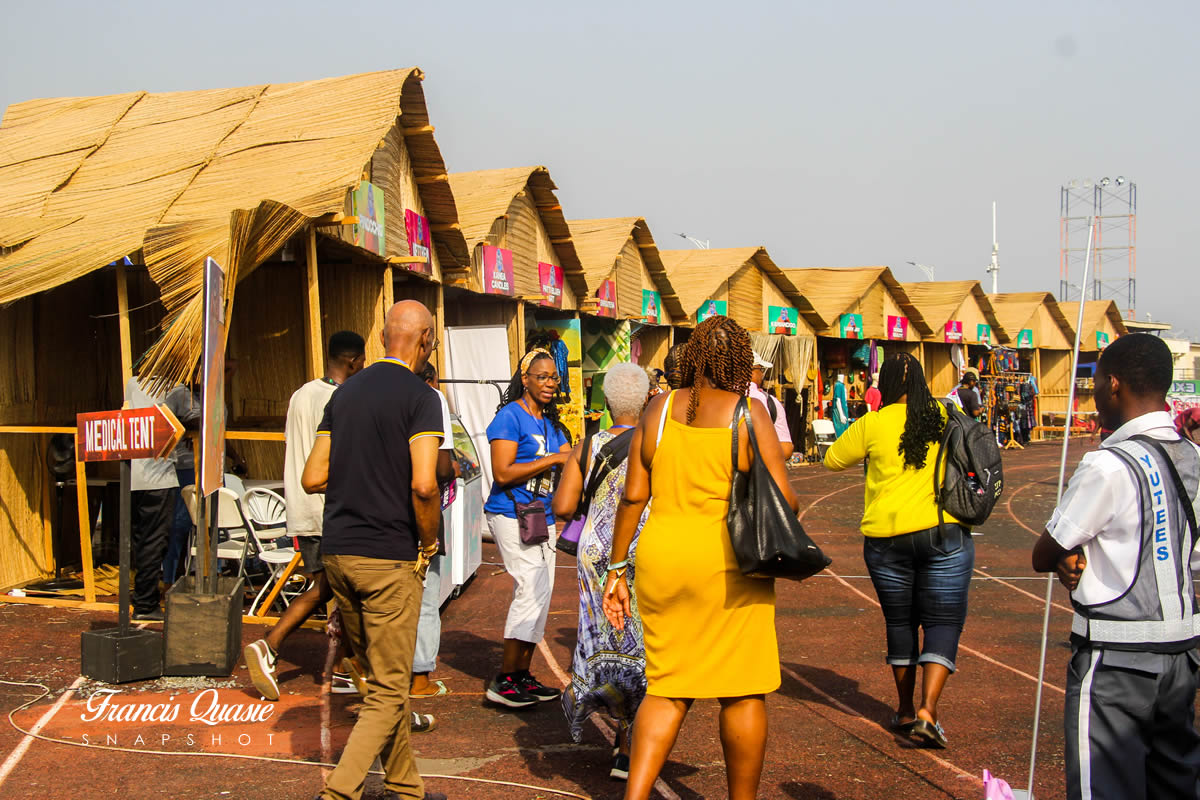

The Made-in-Ghana Bazaar, one of the country’s flagship economic diplomacy initiatives, is gradually emerging as a crucial platform for strengthening Ghana’s export competitiveness, attracting foreign buyers, and positioning local businesses for international opportunities. The 2025 edition, launched by the Ministry of Foreign Affairs and Regional Integration, is shaping up to be the most ambitious yet with the potential to redefine how Ghanaian products engage with global markets and how the nation leverages trade as an instrument of foreign policy.
The Bazaar was conceived to address one clear challenge: Ghanaian products, though high-quality and diverse, often struggle to reach international markets due to limited exposure, weak branding, minimal distribution channels, and insufficient links with foreign buyers. The event directly responds to these gaps by bringing together exporters, diplomats, investors, policy makers, development agencies and international trade representatives under one roof. It does not only exhibit products; it actively negotiates pathways for market access, business partnerships, export financing, and cross-border collaborations.
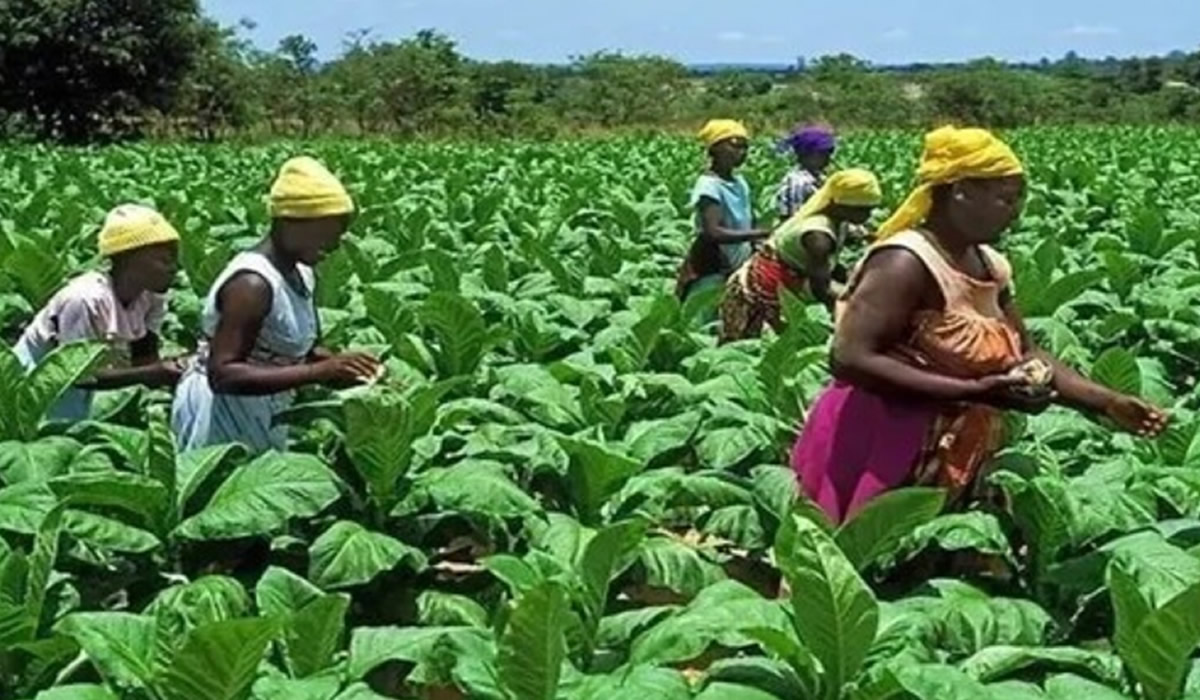
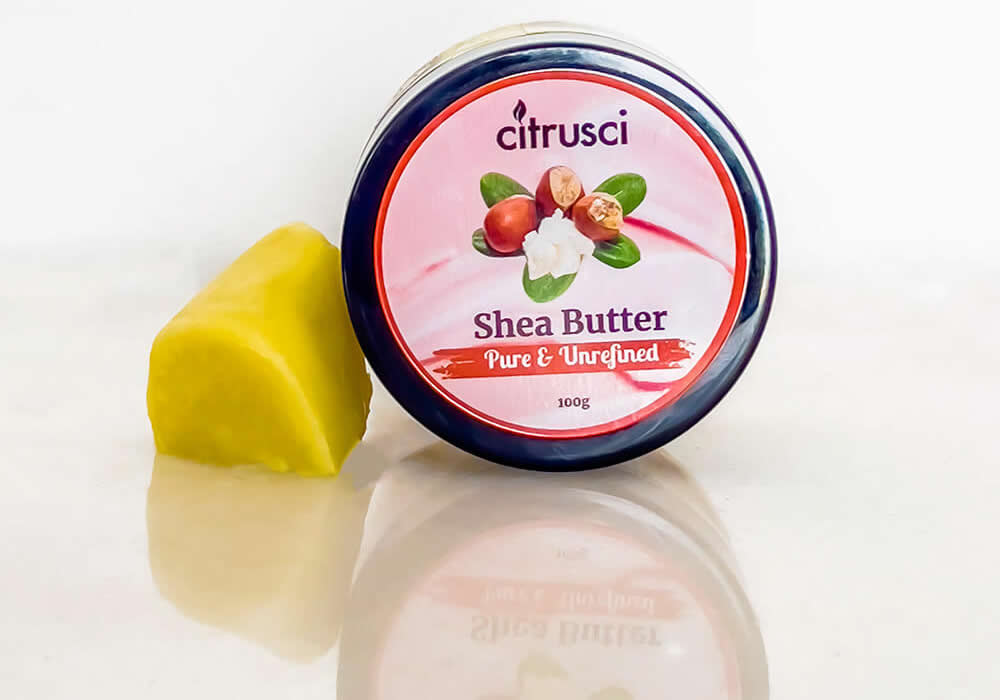
The 2025 edition will feature a wide range of exhibitors producing everything from agro-processed foods, herbal products, cosmetics, handmade crafts, and textiles to digital innovations, fashion goods, household utilities, and creative industry offerings. This diversity reflects the emerging face of Ghana’s export economy one that is shifting away from raw commodities and gravitating toward value-added products with strong branding potential.
The global economic environment offers Ghana a rare advantage. Consumers across Europe, North America, Asia, and the Gulf are increasingly leaning toward ethical, artisanal, organic, sustainable, and culturally rooted products characteristics that define many Made-in-Ghana brands. The Bazaar provides producers the visibility they need to tap into these expanding markets and build global consumer recognition.
But beyond showcasing goods, the Made-in-Ghana Bazaar has become an important pillar of Ghana’s economic diplomacy. Through it, embassies and foreign missions are introduced to local brands they can help promote internationally. Ghana’s envoys are encouraged to build partnerships between local SMEs and foreign distributors, lobby for product placements in supermarkets abroad, facilitate participation in trade fairs, and negotiate trade-support agreements that benefit Ghanaian manufacturers.
For SMEs, the benefits are even more direct. They gain access to real-time feedback from foreign buyers, learn export standards, understand international packaging requirements, explore certifications, and identify potential distributors. Many small businesses struggle with scaling because they lack knowledge of international trade protocols and marketing structures. The Bazaar helps bridge this information gap.
Moreover, the event aligns strongly with the African Continental Free Trade Area (AfCFTA) agenda. Ghana, as host of the AfCFTA Secretariat, has an opportunity to position its SMEs as competitive players in the continental market. The Bazaar could help local companies secure contracts in countries like Kenya, South Africa, Morocco, Nigeria, Ethiopia, Rwanda, and Côte d’Ivoire all of which are expanding their imports of value-added African-made goods.
Still, challenges persist. SMEs face high cost of raw materials, limited access to affordable financing, logistical challenges, and inconsistent supply chains. Yet, the optimism around the 2025 Bazaar suggests Ghana is steadily building the ecosystem needed to elevate its export performers.
If the event delivers on its objectives, it could mark a turning point for Ghana’s industrialization and trade accumulation one where creative entrepreneurs and innovative SMEs become the face of a more ambitious, export-driven national economic strategy.