








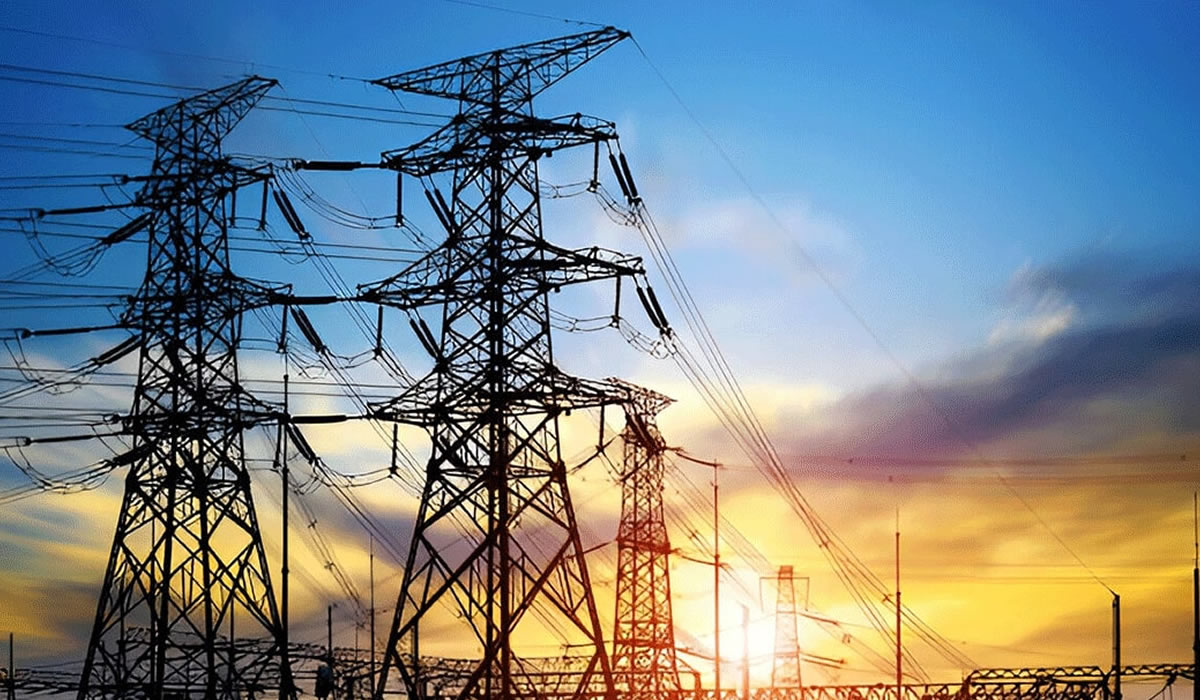
Ghana has reached an impressive milestone in its national development journey: a 90 percent electricity access rate, one of the highest on the African continent. According to the energy minister, this achievement places Ghana ahead of most sub-Saharan African nations and positions the country as a leading destination for energy-dependent industries. The significance of this milestone cannot be overstated, especially considering the strong link between power availability and economic growth.
Reliable electricity is fundamental for manufacturing, agro-processing, logistics, digital technology, health services, education, and the wider informal economy. Over the years, Ghana has battled with inconsistencies in generation capacity, transmission constraints, and distribution inefficiencies. These challenges discouraged investment and raised operating costs for small and large businesses alike. But with access now nearing universal coverage, Ghana is entering a new era where industrialization can be accelerated more confidently.
Manufacturers, particularly those in textiles, steel, agro-processing, construction materials, and pharmaceuticals, stand to benefit from this improved energy landscape. Consistent power supply reduces reliance on generators, cuts production costs, and improves competitiveness. For agro-processors from shea butter factories in the north to fruit processing plants in eastern and central Ghana reliable electricity enhances production efficiency, reduces post-harvest losses, and ensures products meet export standards.
The achievement also comes at a time when Ghana is courting investors through initiatives such as One District One Factory (1D1F), Special Economic Zones, and Free Zones enclaves. Investors typically prioritize energy reliability when deciding on production locations. With increased electricity access, Ghana can now market itself more effectively to global manufacturers seeking stable African destinations.
Equally important is the impact on digital entrepreneurship. With stable power, digital startups, fintech companies, online service providers, and content creators can operate more efficiently. This supports Ghana’s ambition to expand its digital economy, attract tech hubs, and integrate more young people into technology-driven fields.
Despite this progress, challenges remain. Electricity tariffs are still considered high by industry players, and occasional shortfalls in generation capacity especially during peak periods — can disrupt operations. Transmission losses also persist due to aging infrastructure in certain areas. Experts argue that to fully leverage the benefits of the 90 percent access milestone, Ghana must now focus on lowering industrial tariffs, upgrading transmission lines, expanding renewable power sources, and encouraging private-sector participation in energy generation.
Nevertheless, the achievement marks a new beginning. As Ghana strengthens its energy infrastructure and enhances policy predictability, businesses will have more room to grow, innovate, and expand. With electricity access no longer the dominant constraint, Ghana’s path toward industrial transformation appears clearer, and investor confidence is likely to rise as the country moves steadily toward universal power coverage.