






Ghana’s real estate sector is witnessing a renewed surge in high-end property demand, supported largely by diaspora investment and a growing appetite for luxury living in urban centers such as Airport Residential, Cantonments, East Legon, Roman Ridge, and Labone. After a period of slowed purchases driven by inflationary pressures and high mortgage costs, the market is bouncing back and industry players say the shift is reshaping Accra’s property ecosystem in profound ways.
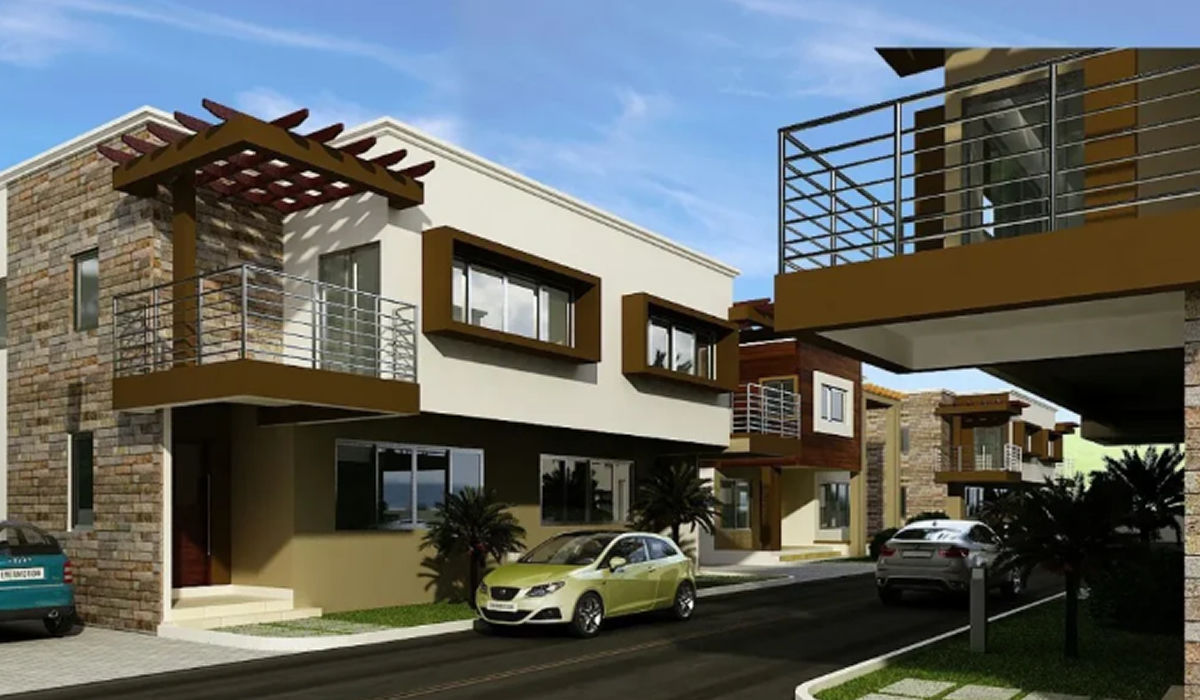
In recent years, many developers in Ghana have pivoted their business models toward luxury and ultra-modern apartment designs. The strategy is driven by a simple fact: the country’s upper-middle-class population continues to grow, diaspora Ghanaians are actively investing in homeownership, and foreigners working in Ghana’s expanding diplomatic, mining, finance and development sectors require high-standard residences. Now, that demand is translating into more real estate transactions, higher rental yields, and a competitive construction climate.
Industry analysts attribute the rebound partly to increased diaspora engagement. The “Beyond the Return” initiative continues to encourage African Americans and second-generation Ghanaians abroad to invest in property back home. Many see real estate as the safest long-term investment a hedge against currency fluctuations and a powerful way to build generational wealth. This demographic has become one of the strongest drivers of luxury housing demand in Accra.
Developers are responding accordingly. New luxury apartments now offer amenities that match global standards, including rooftop pools, gyms, hotel-style concierge services, biometric access systems, smart-home installations, underground parking, and eco-friendly designs. What once existed only in top hotels is now standard in many high-rise residential complexes. Real estate firms understand that modern buyers prioritize comfort, security, technology integration and exclusive lifestyle experiences.
One of the biggest factors sustaining the high-end market is the profitability of short-term rentals. Platforms like Airbnb and booking services for corporate expatriates allow homeowners to earn significantly more from short-stay tenants than long-term leases. In areas like Cantonments, two-bedroom luxury apartments can earn up to $120–$300 per night depending on the season. With high occupancy rates from business travelers, NGOs, foreign dignitaries, and tourists, investors who purchase luxury apartments often recover their investment faster than traditional residential buyers.
Developers also say that increased investment in infrastructure particularly the Pokuase Interchange, Tema Motorway expansions, and new road networks in East Legon and Adjiringanor has made formerly unattractive areas more accessible and riper for luxury development. As urbanization deepens, Accra continues to attract investors who see opportunities in mixed-use developments, gated communities and green-themed residential estates.
However, this growth comes with concerns. Affordability remains a major issue. Many Ghanaians struggle to access decent housing due to rising construction costs, expensive cement prices, and volatile interest rates. Critics argue that developers are prioritizing luxury housing at the expense of middle-income and lower-income residential needs. But developers maintain that they must build where financial viability is strongest and currently, the high-end market guarantees quicker returns.
Looking ahead, real estate experts predict more high-rise apartments, purpose-built rental units, and eco-friendly housing projects. Ghana’s luxury property market is maturing, and if current trends continue, Accra could soon become one of West Africa’s most competitive residential investment destinations.